Student Artwork
Student artwork is the clearest evidence of what happens when planning, skill building, cultural context, and student voice come together. These projects show students working through materials, ideas, process, reflection, and critique while creating finished work with intention.
Each project was designed with clear structure, visual examples, vocabulary, assessment criteria, and room for personal choice. The artwork remains the focus, while the instructional notes give context for how students were supported, challenged, and assessed.
Projects
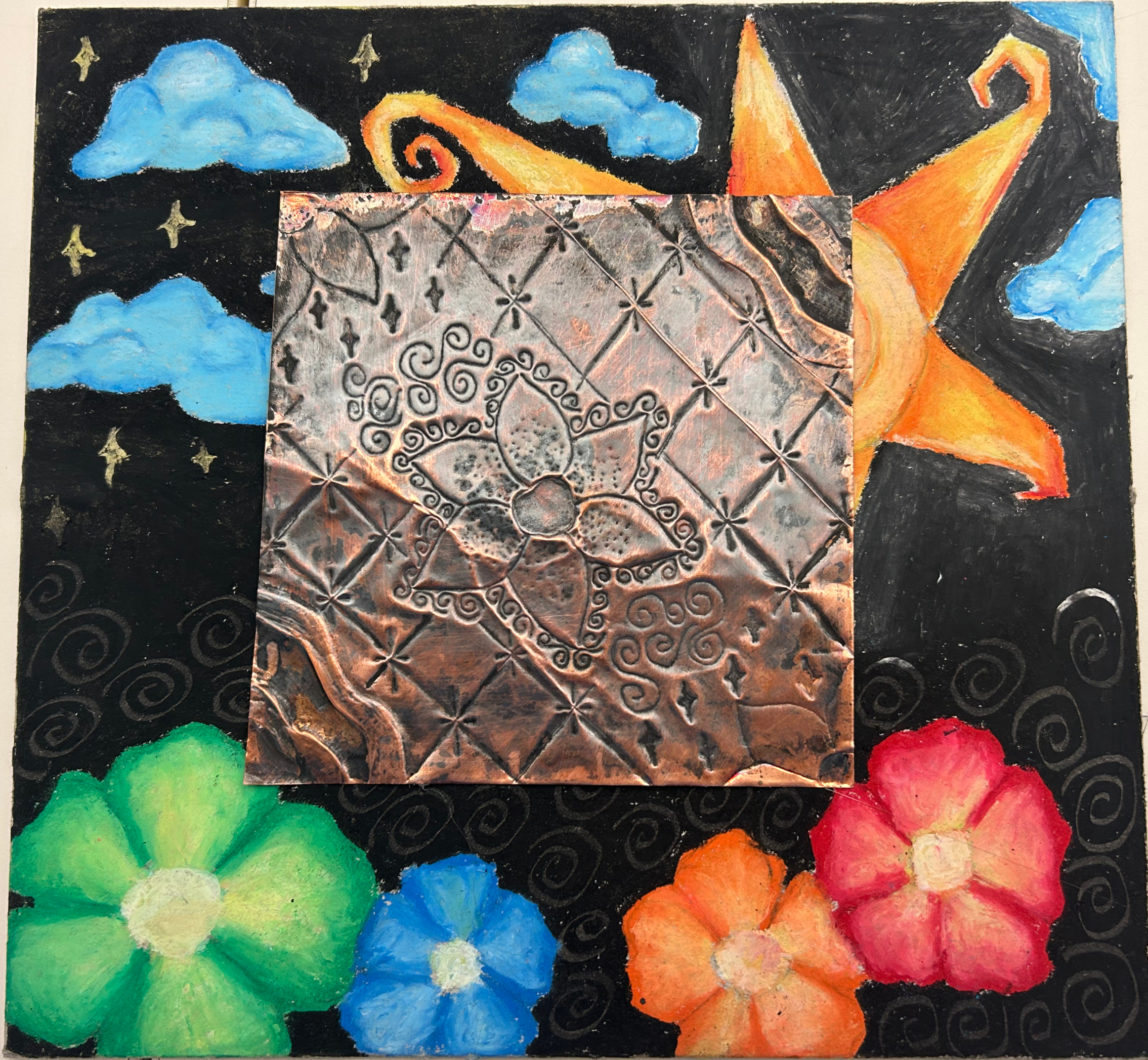
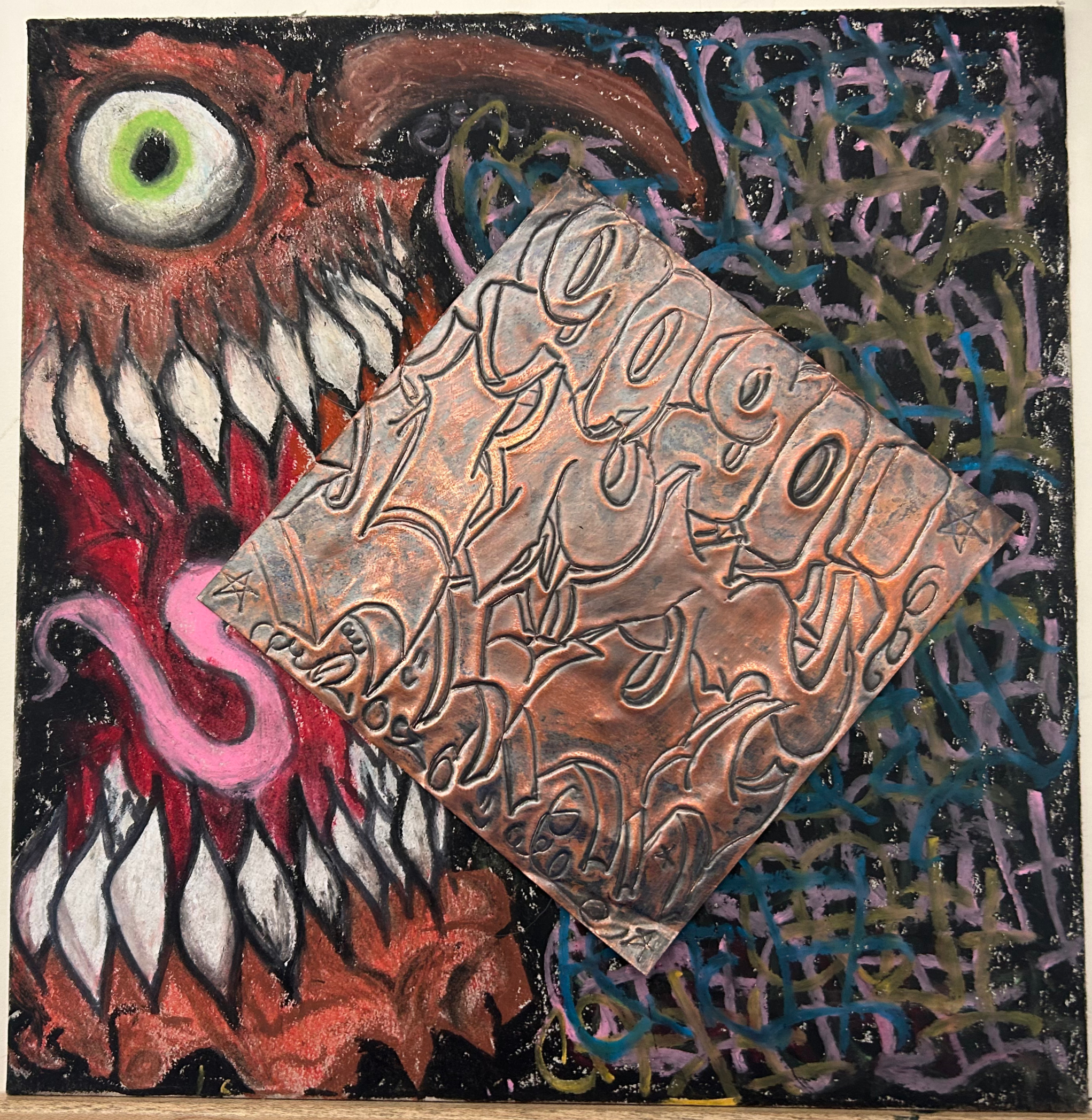
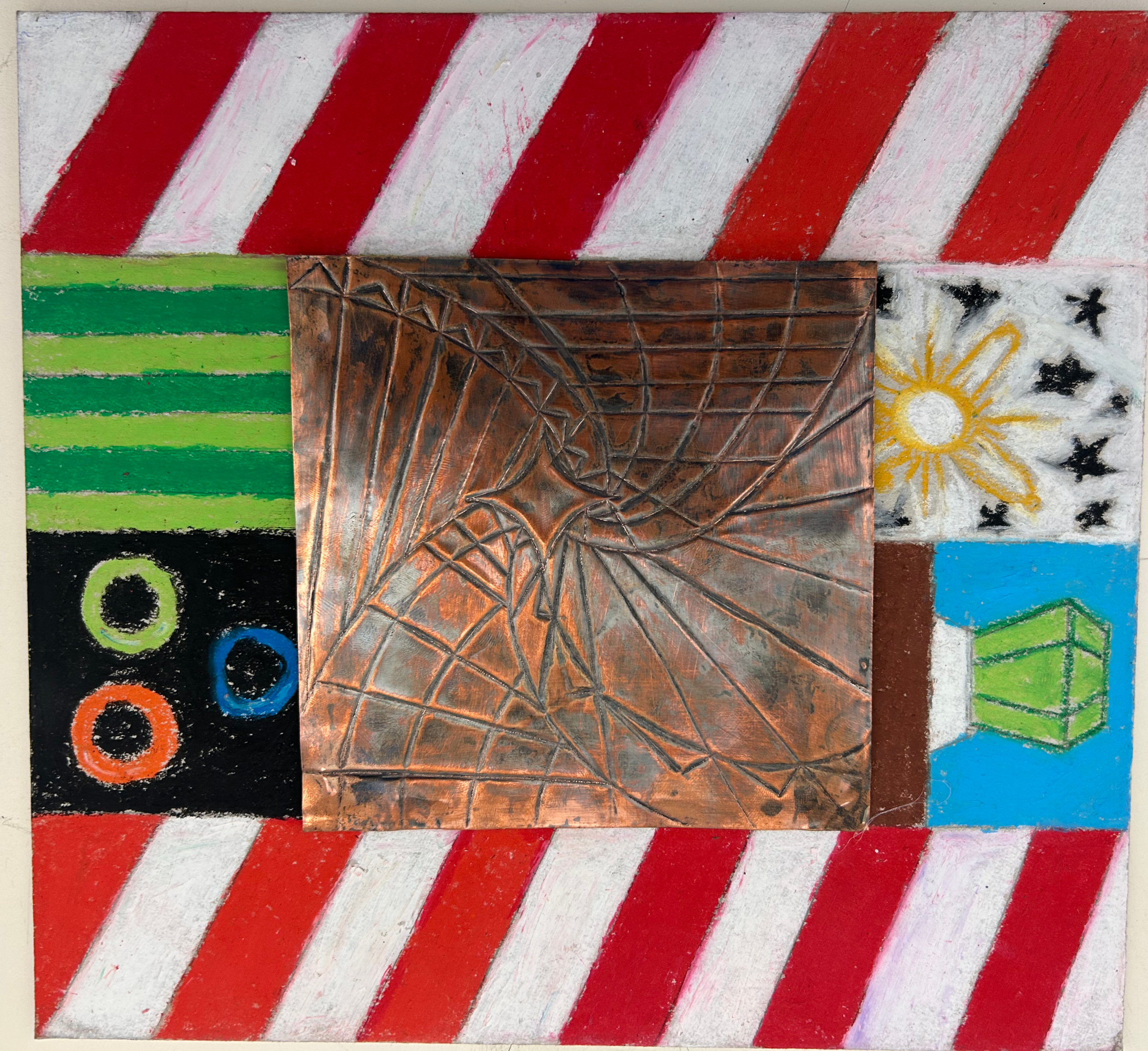
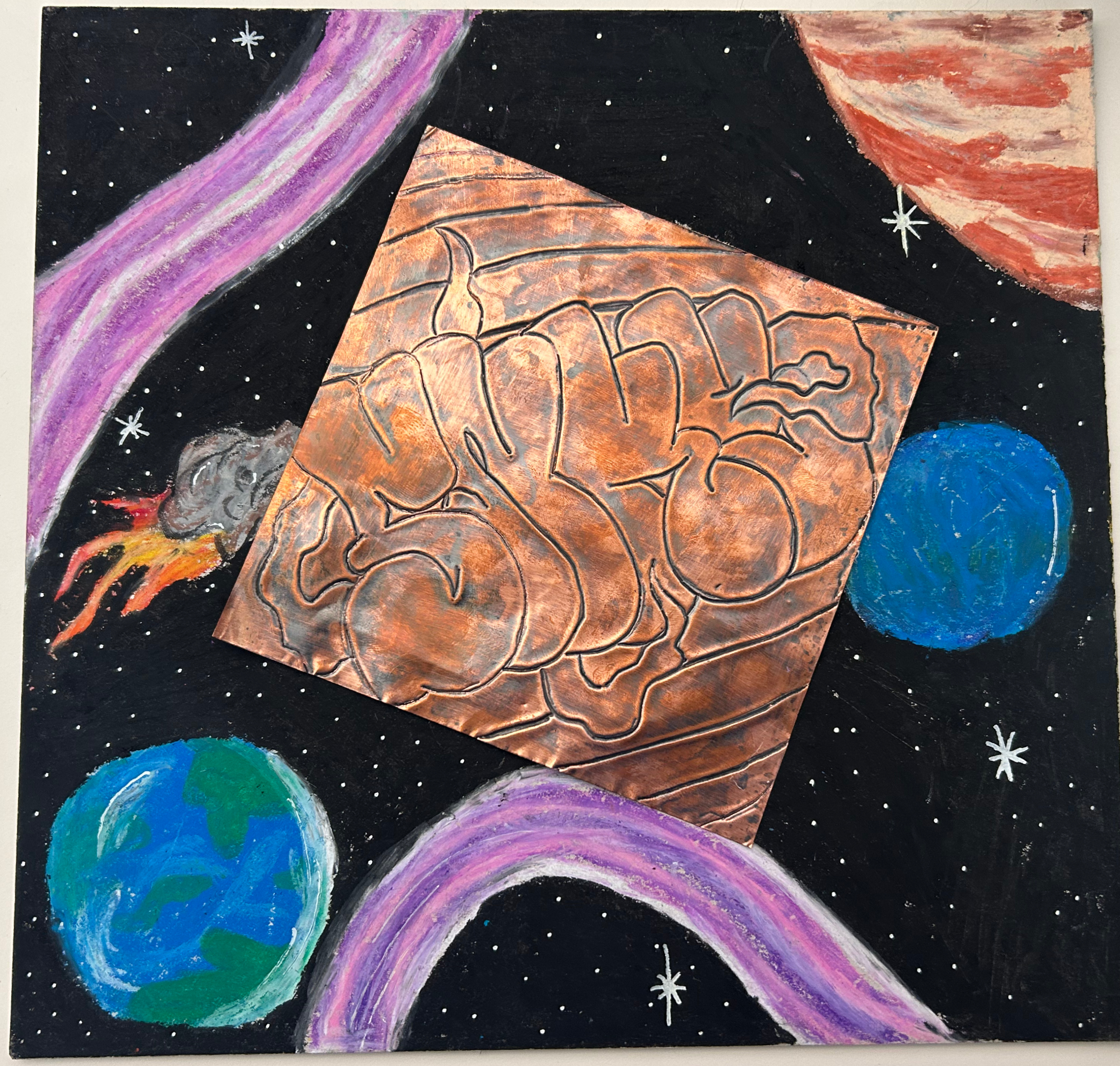
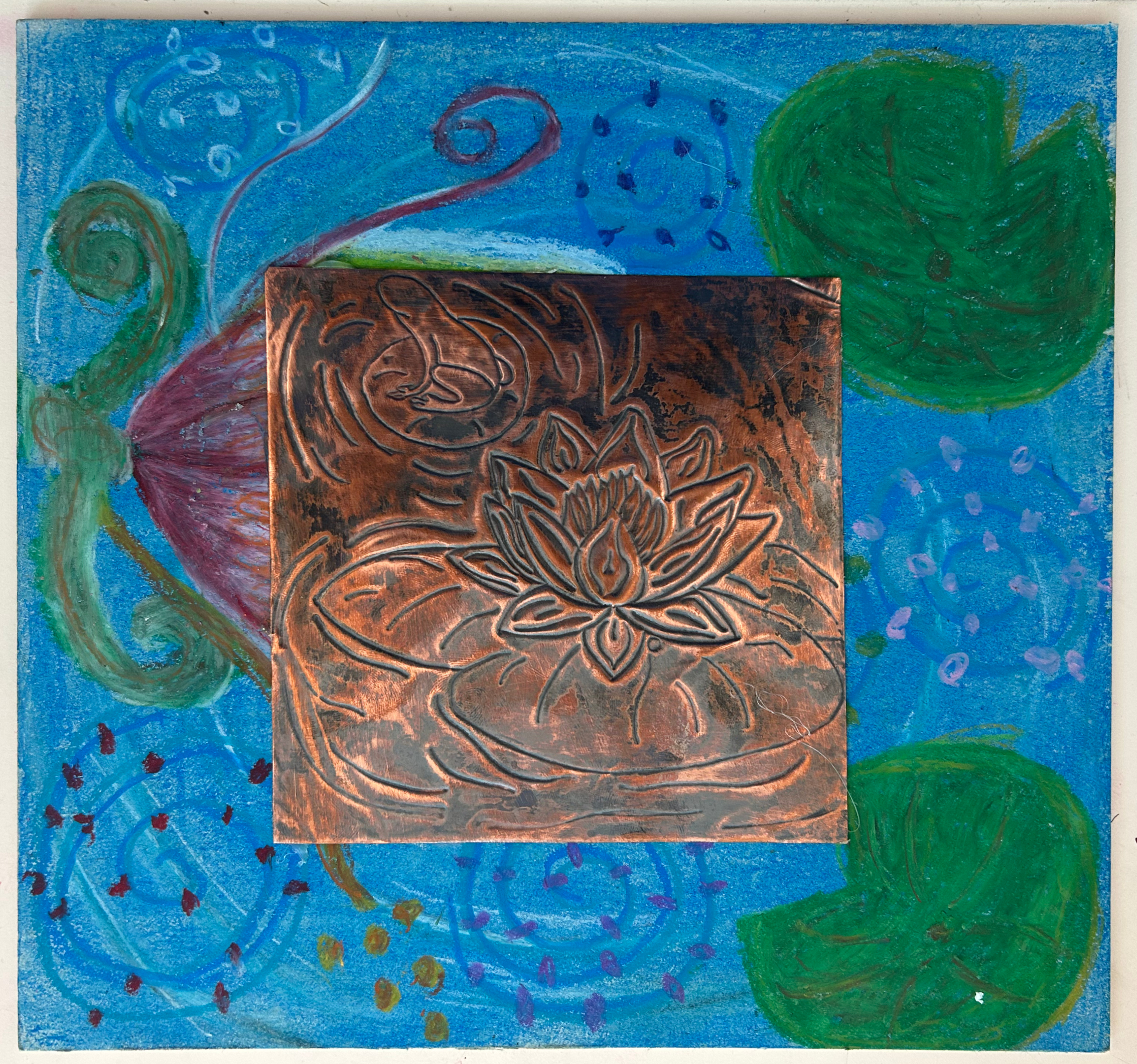
Hojalata Metal Relief
Students studied Mexican hojalata as a cultural art form and created embossed metal relief artworks with patterned chipboard backgrounds. The project asked students to connect material process with pattern, symbolism, craftsmanship, and personal design choices.


Project Objective
Students created a metal relief artwork inspired by hojalata while using pattern, symbolism, composition, and craftsmanship.
Standards Connection
Students created original designs, used materials intentionally, responded to cultural context, and connected visual choices to meaning through written reflection.
Lesson Plan Overview
Students studied hojalata examples, planned thumbnail sketches, transferred a design to metal, embossed the surface, created a patterned background, mounted the final artwork, and wrote an artist statement.
Rubric and Assessment Focus
Design planning, connection to cultural context, use of pattern and symbolism, embossing craftsmanship, final presentation, and written reflection.
Literacy Connection
Students used art vocabulary, artist statement prompts, sentence frames, and written reflection to explain their process and artistic choices.
Student Supports
Students used visual examples, step by step demonstrations, guided practice, vocabulary support, sentence frames, teacher check ins, and individual feedback during studio work.
Reflection or Critique
Students reflected on how pattern, symbol, material, and craftsmanship shaped the meaning of the final artwork.
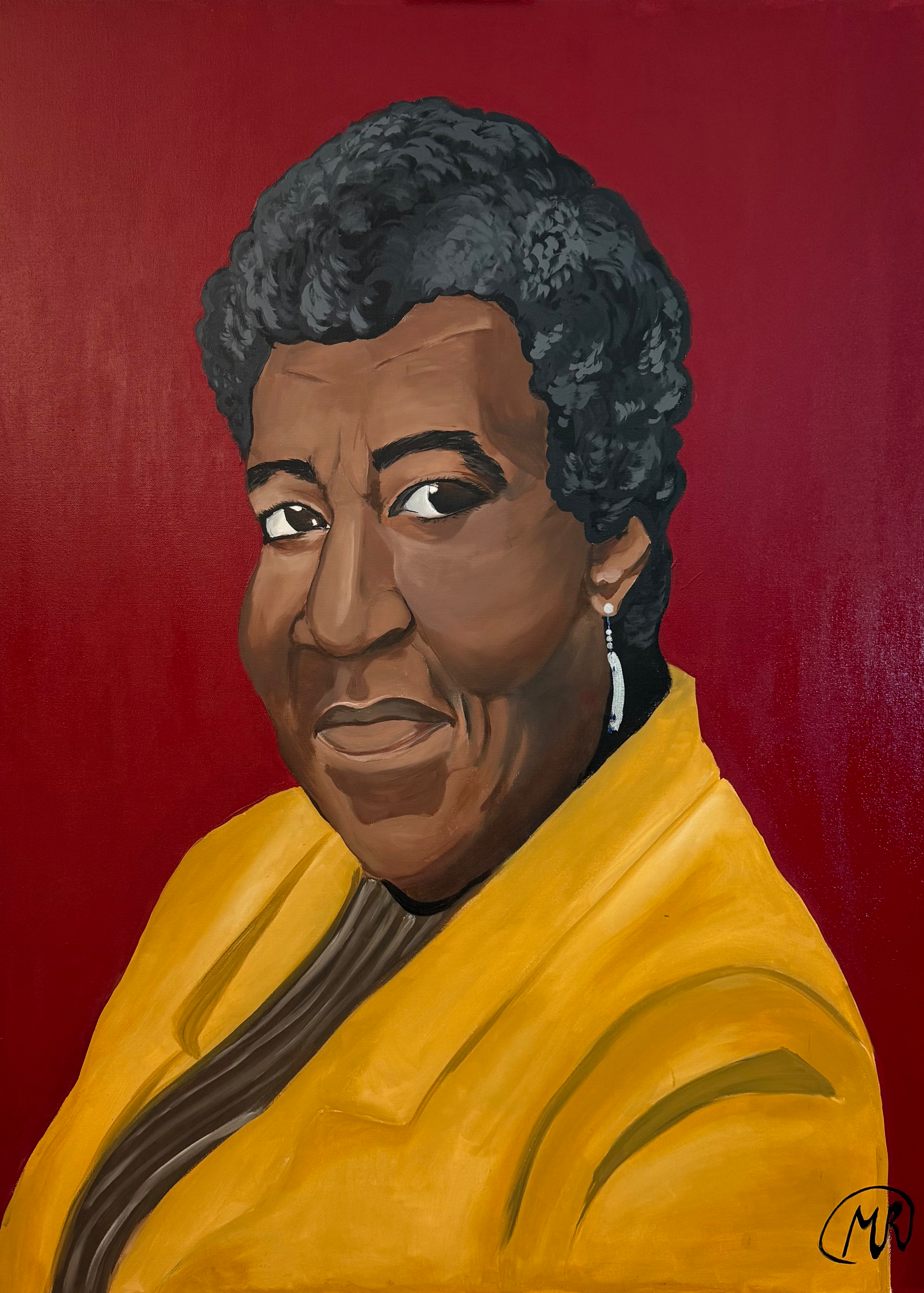
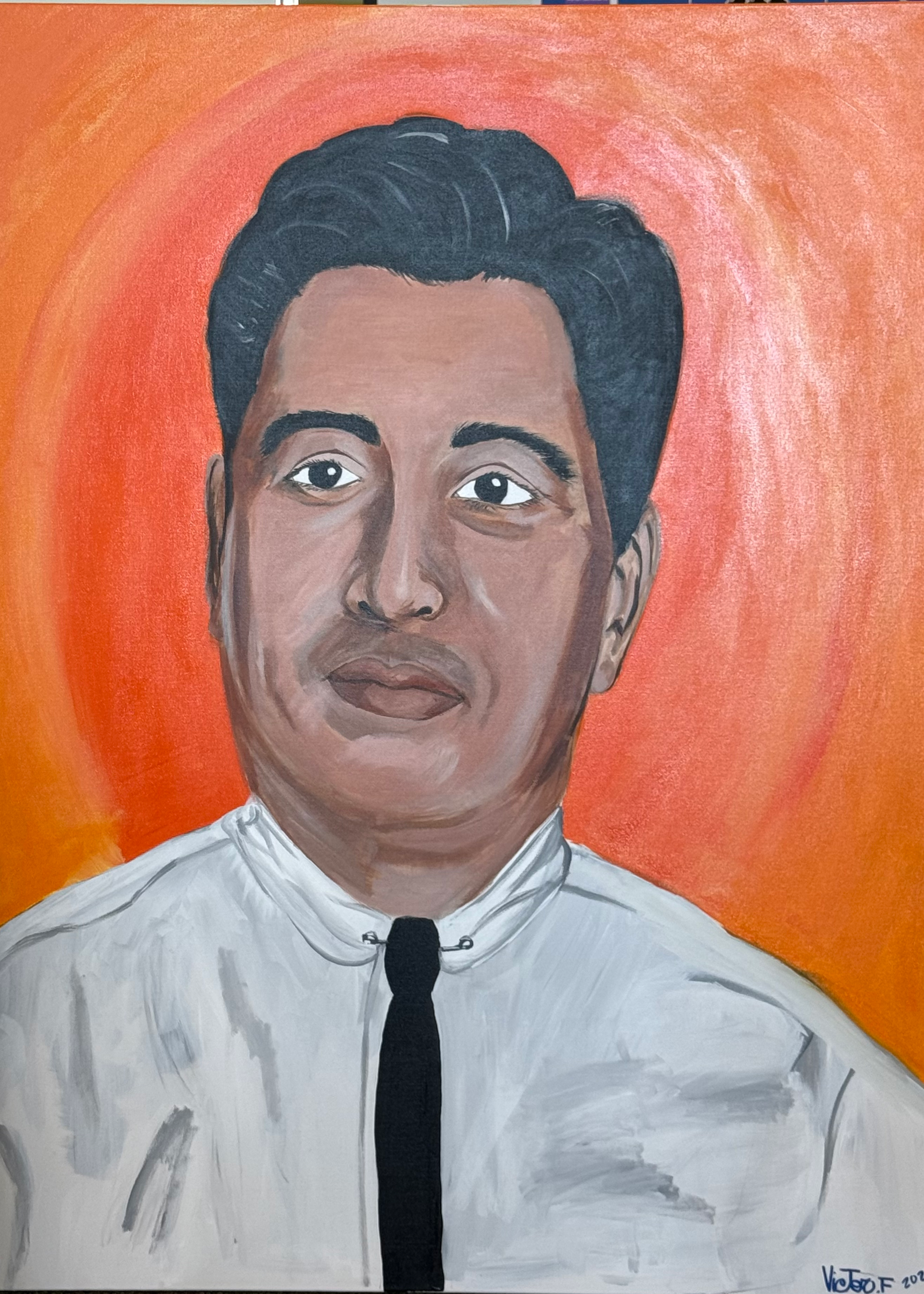
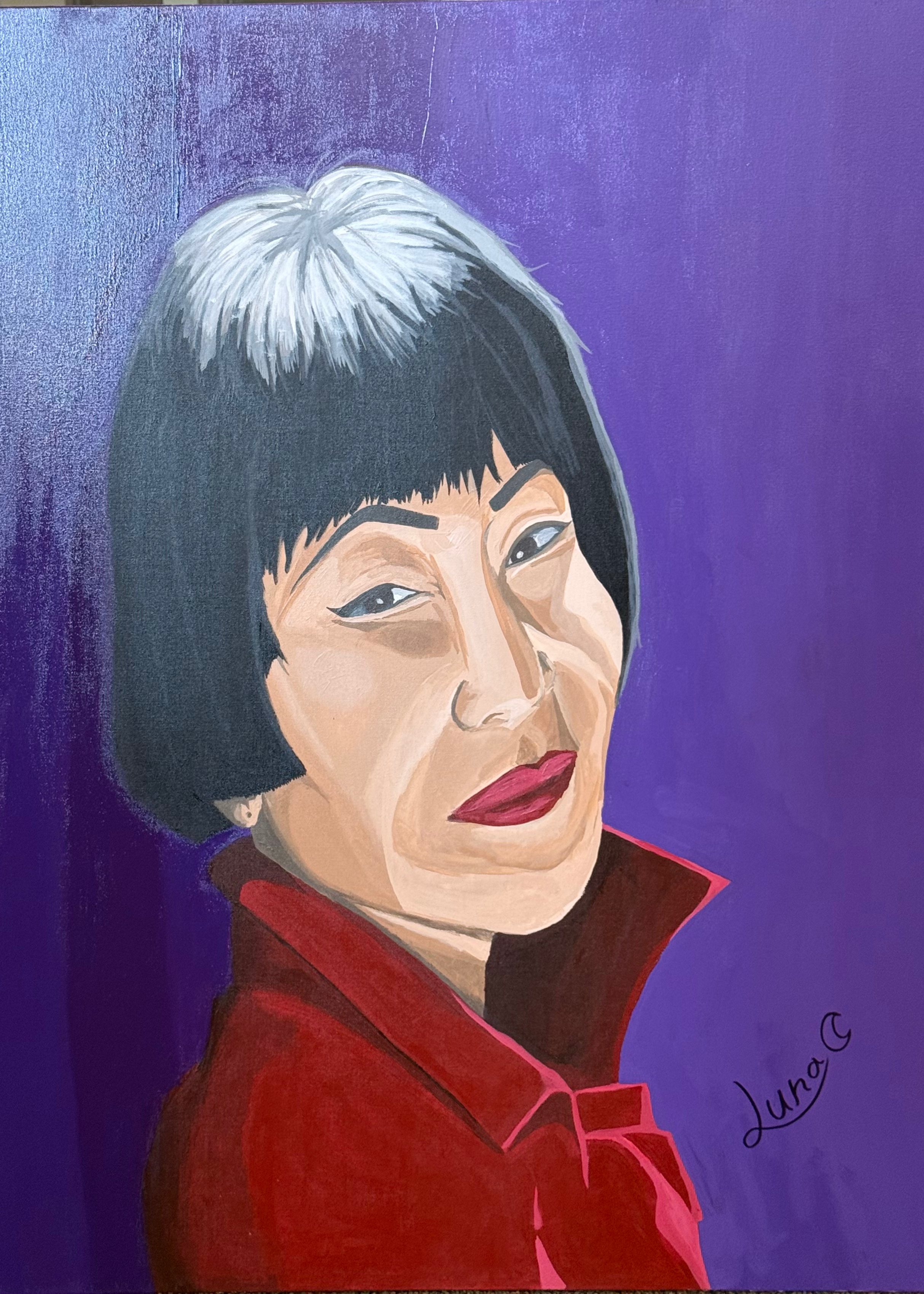
East Los Angeles Writer Portraits
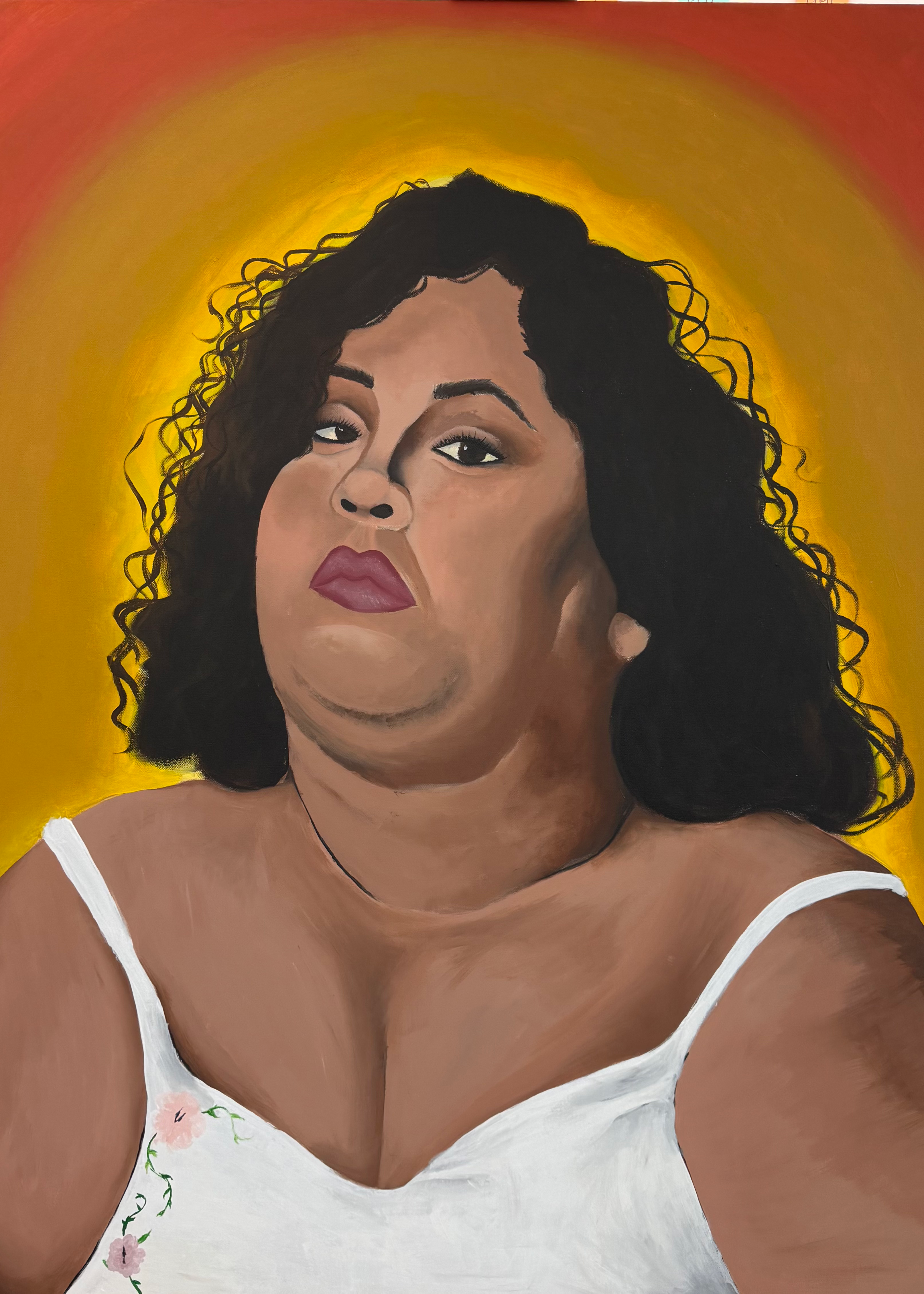
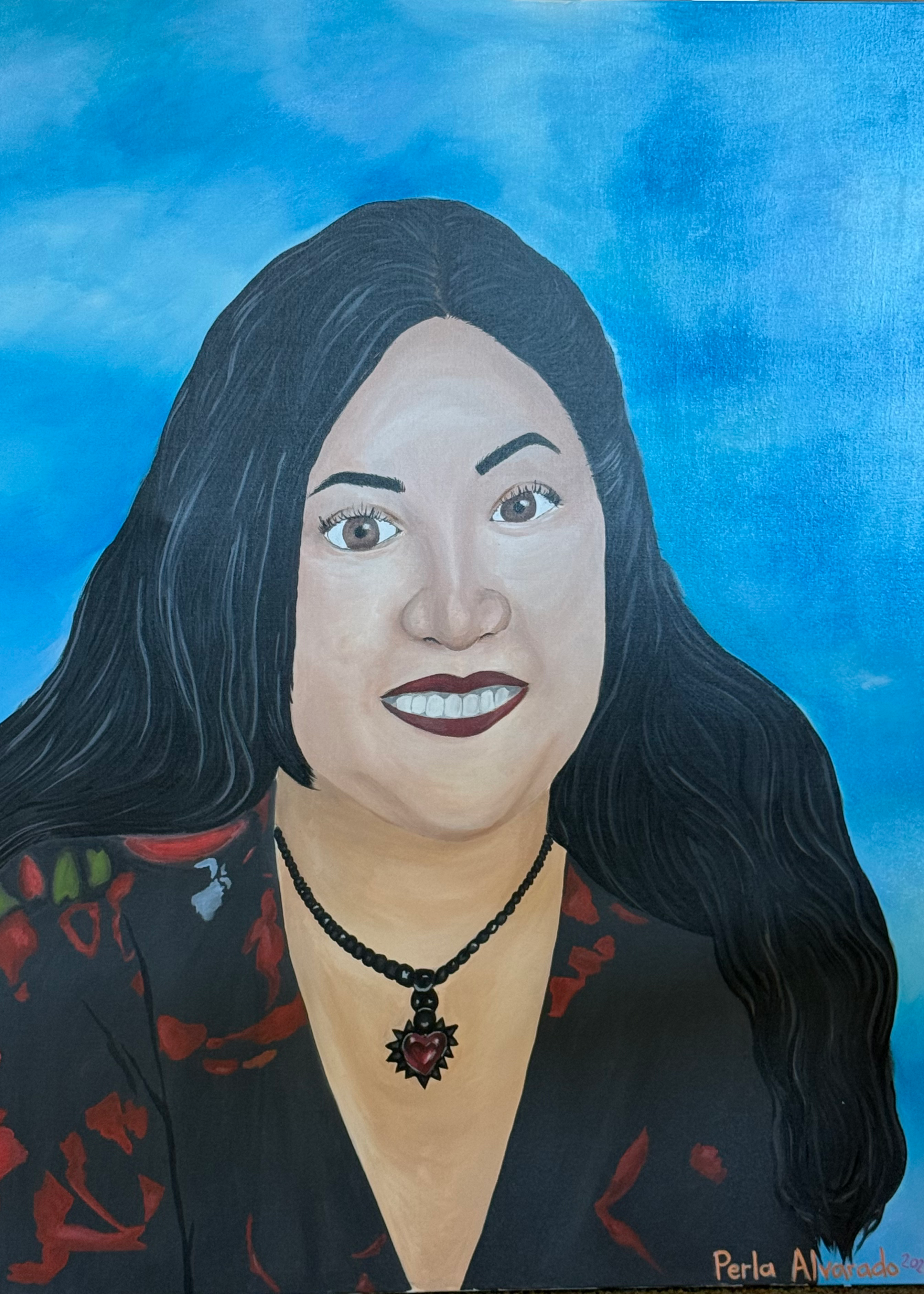
Students created acrylic portraits of writers connected to East Los Angeles. The project connected portraiture, community, identity, symbolism, color, and visual interpretation. Students were asked to communicate something about the writer beyond physical appearance.


Project Objective
Students created an acrylic portrait that interpreted the identity, story, or influence of a writer connected to East Los Angeles.
Standards Connection
Students created original artwork, responded to visual and cultural references, and connected portrait choices to identity, place, and meaning.
Lesson Plan Overview
Students studied writers connected to East Los Angeles, selected visual references, planned portrait compositions, made decisions about color and style, added symbolic details, painted the final work, and wrote an artist statement.
Rubric and Assessment Focus
Connection to the writer, portrait composition, color choice, symbolism, painting craftsmanship, effort through process, and written reflection.
Literacy Connection
Students used research notes, vocabulary, artist statement sentence starters, and written reflection to explain how their portrait represented the writer’s story or influence.
Student Supports
Students used reference images, planning sheets, painting demonstrations, visual examples, vocabulary support, individual feedback, and step by step studio guidance.
Reflection or Critique
Students explained how their portrait used color, symbol, style, and composition to communicate meaning.
Art Flash Sheet
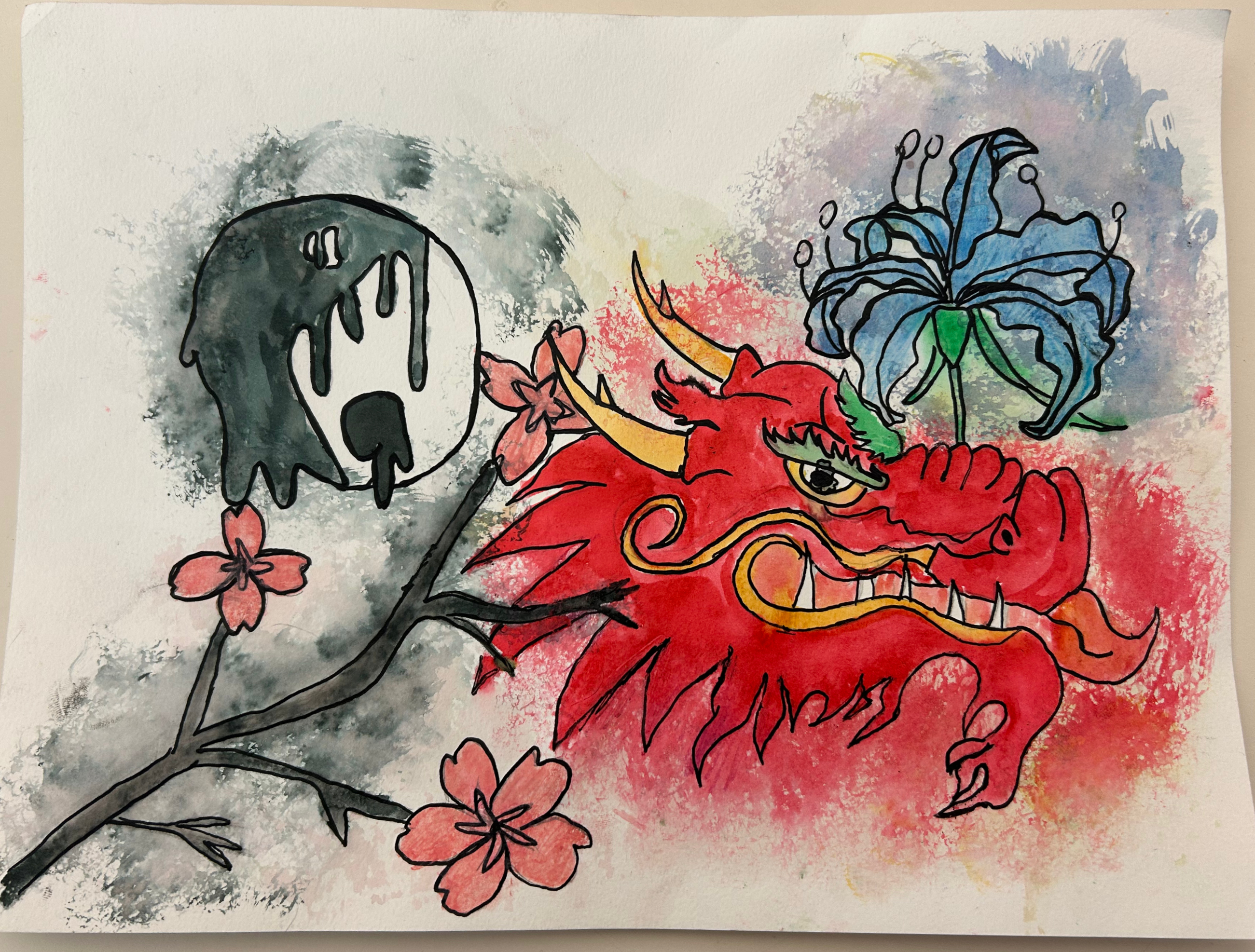
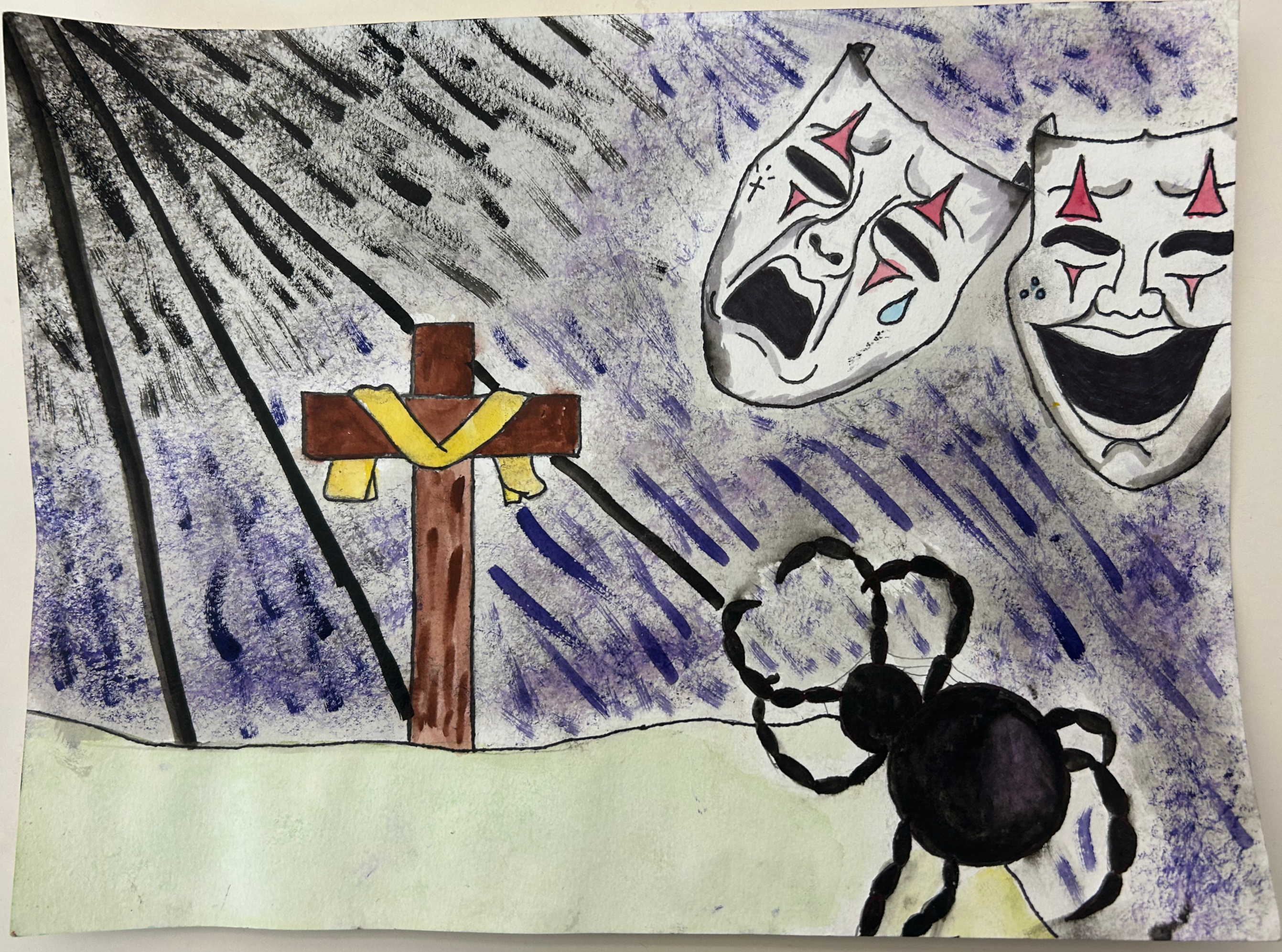
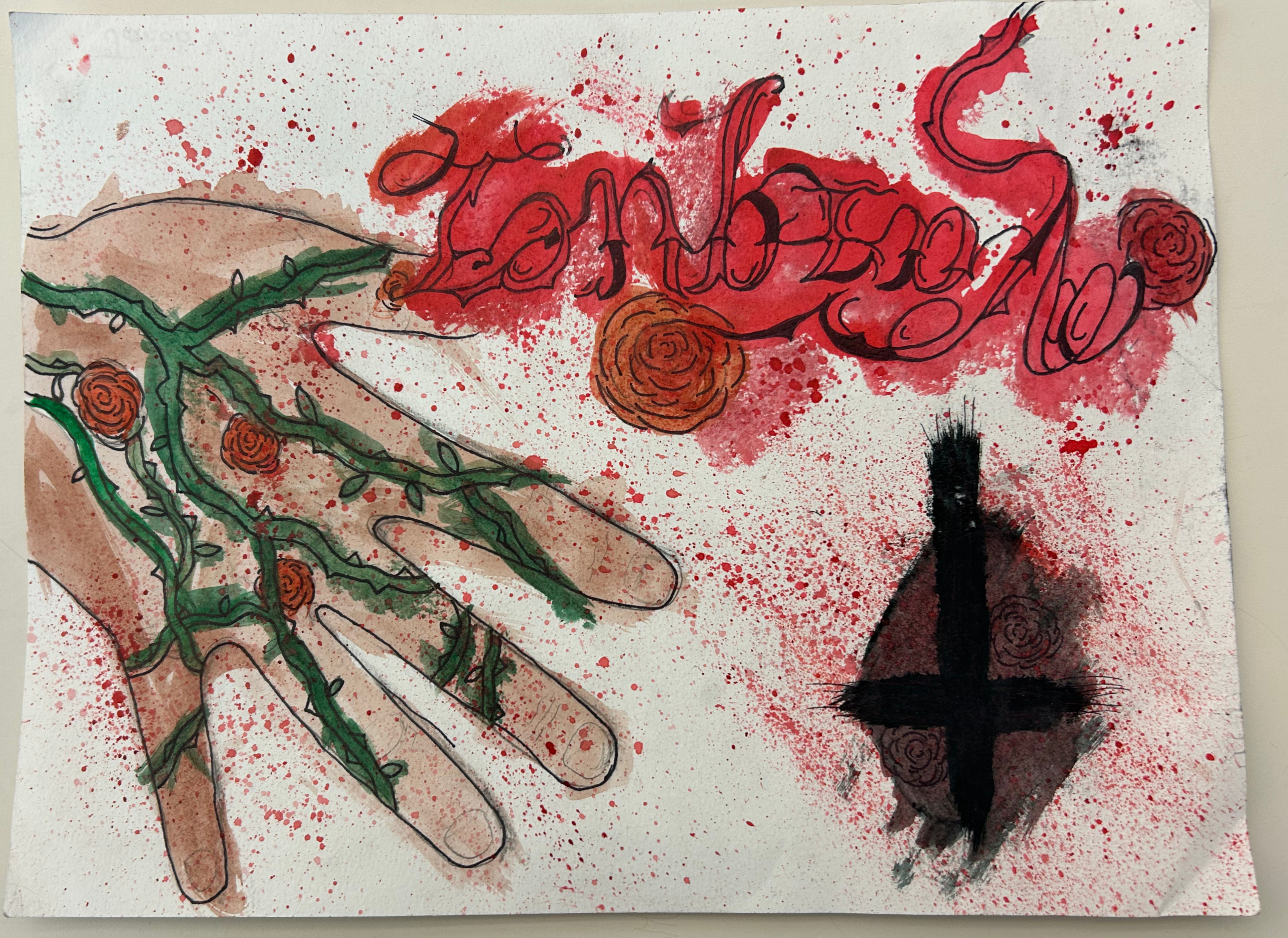
Students created themed art flash sheets using watercolor techniques, line work, symbols, and composition. The project asked students to develop a set of original images that worked together visually and connected to a central idea.


Project Objective
Students created a themed art flash sheet with multiple original designs that showed unity, symbolism, and watercolor technique.
Standards Connection
Students generated original ideas, developed a visual theme, used watercolor intentionally, presented multiple related designs, and reflected on artistic choices.
Lesson Plan Overview
Students chose a theme, brainstormed symbols and images, sketched multiple design ideas, selected final images, refined line work, applied watercolor techniques, and wrote a short reflection.
Rubric and Assessment Focus
Theme development, originality, watercolor control, visual unity, craftsmanship, composition, and written explanation.
Literacy Connection
Students used theme brainstorming, art vocabulary, planning prompts, and a short written reflection to explain how their designs connected to one central idea.
Student Supports
Students used watercolor demonstrations, visual examples, sketch planning, vocabulary support, peer feedback, teacher feedback, and technique reminders.
Reflection or Critique
Students reflected on how their theme, symbols, color choices, and arrangement created unity across the flash sheet.
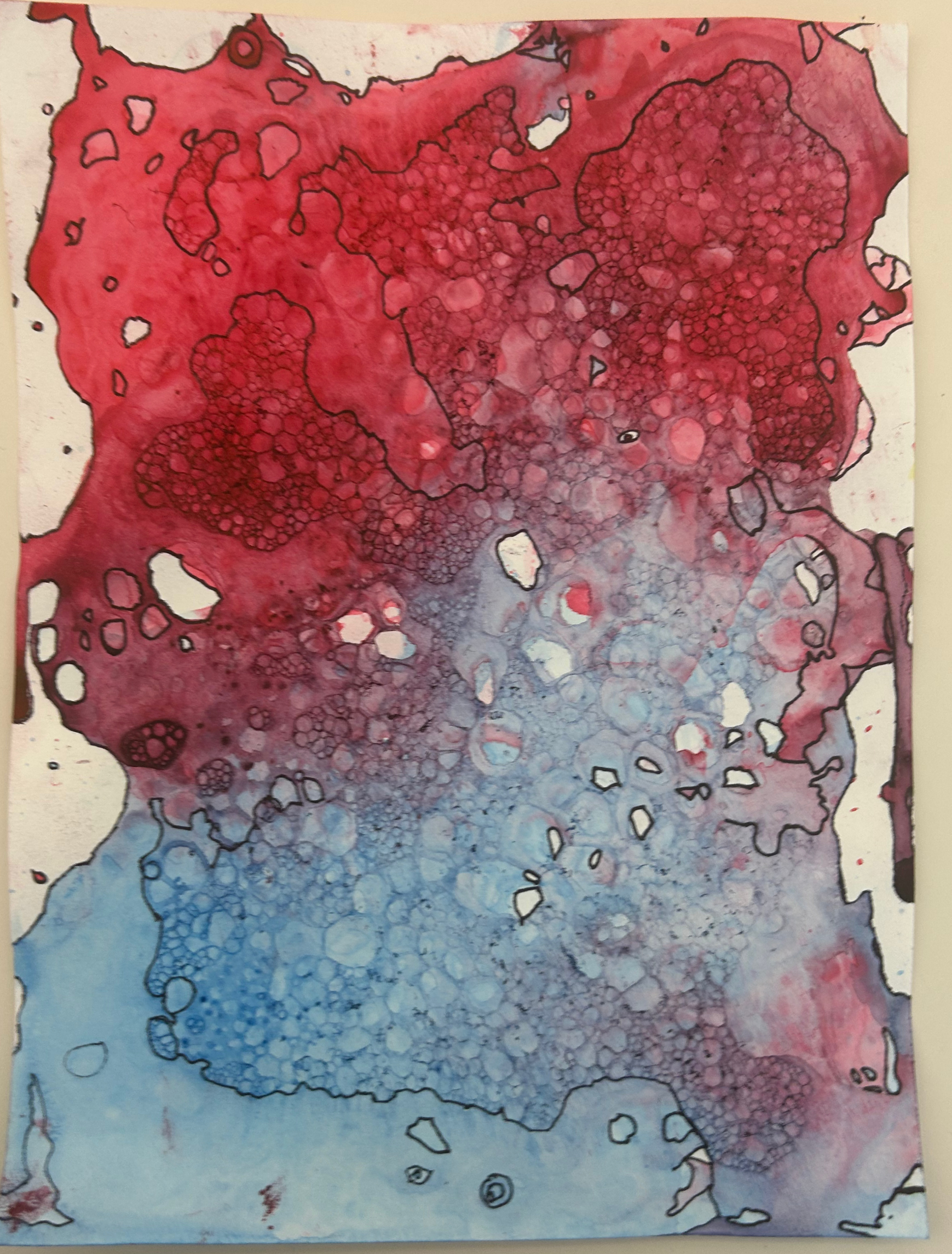
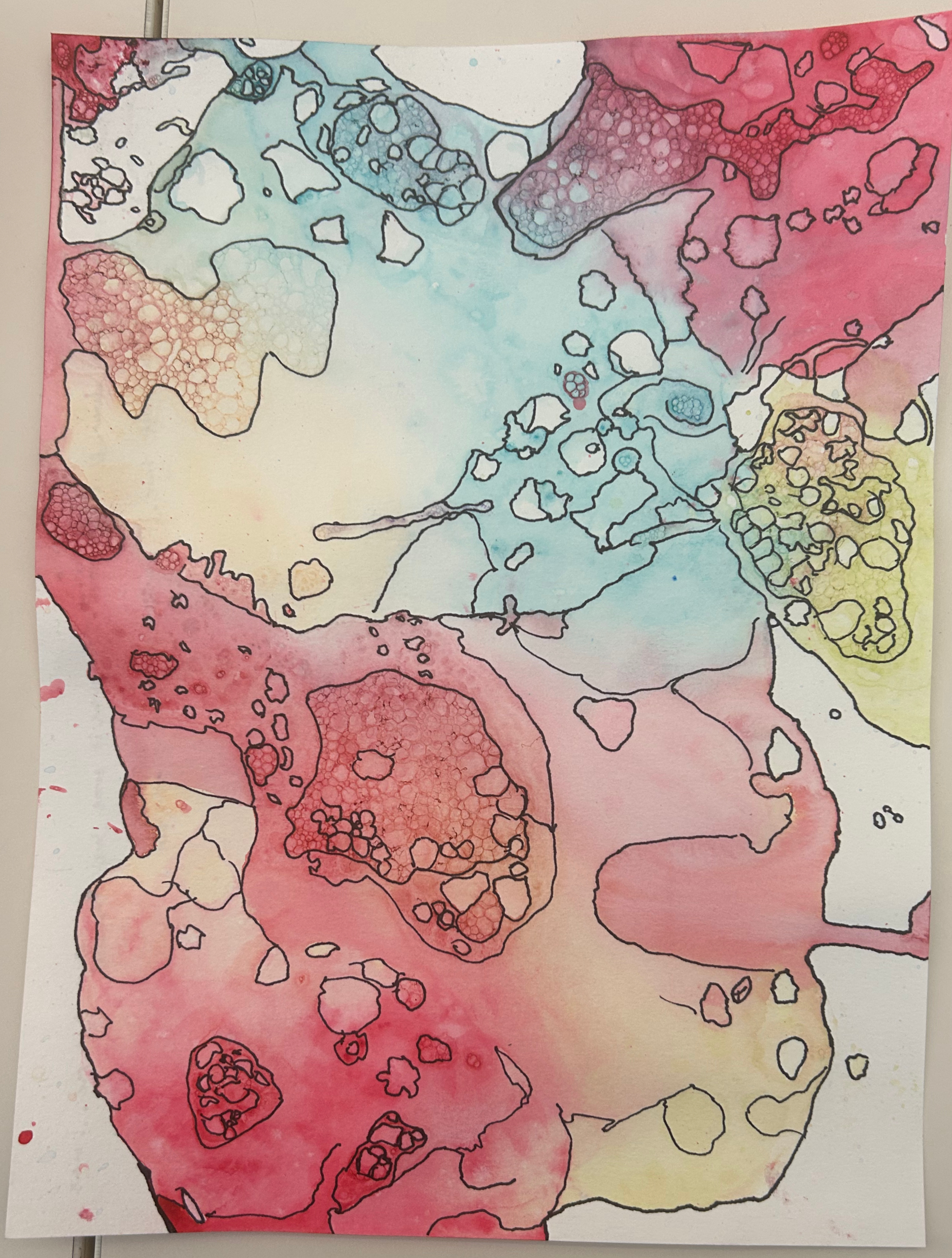
Watercolor Bubble and Line Study
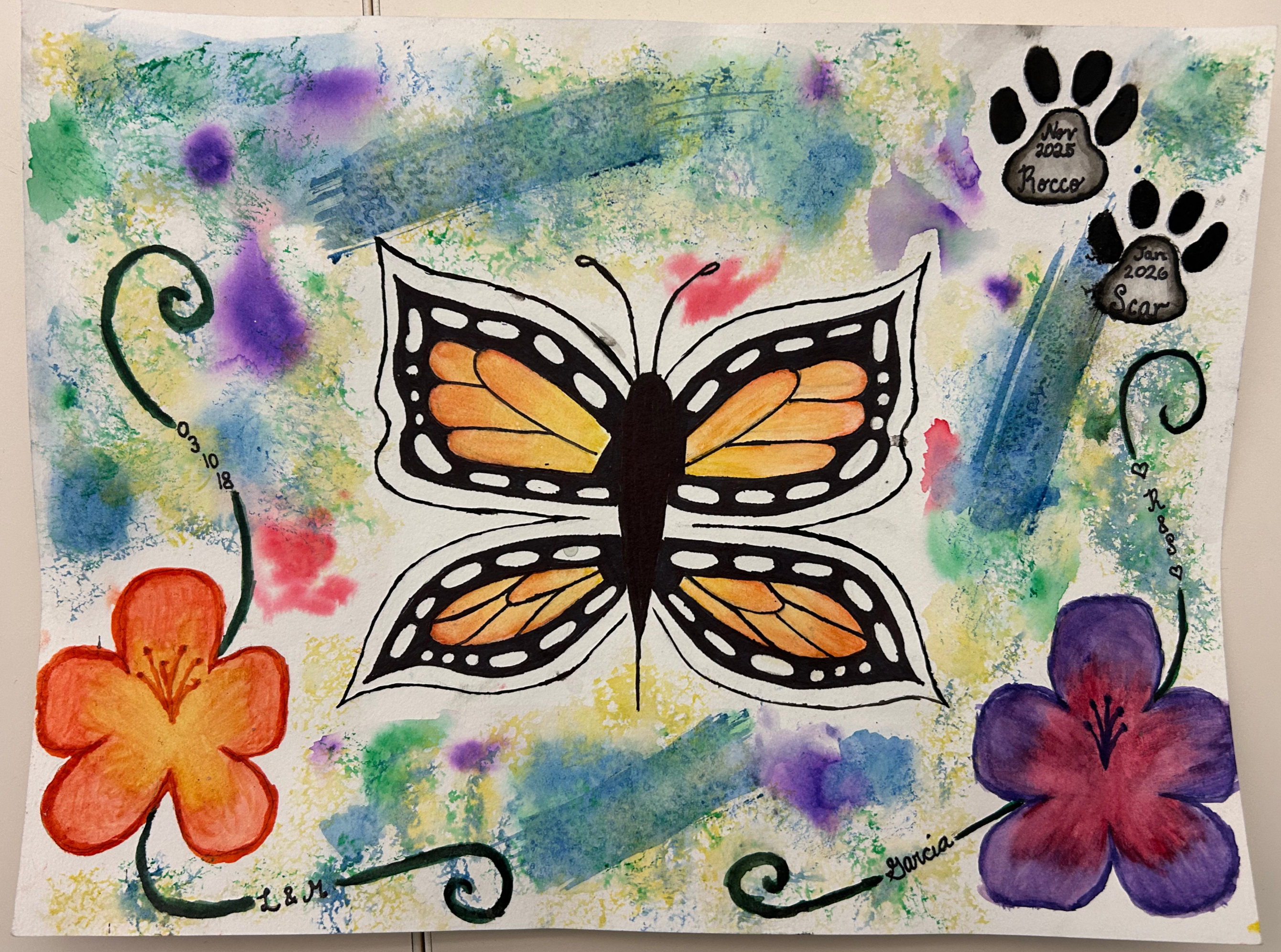
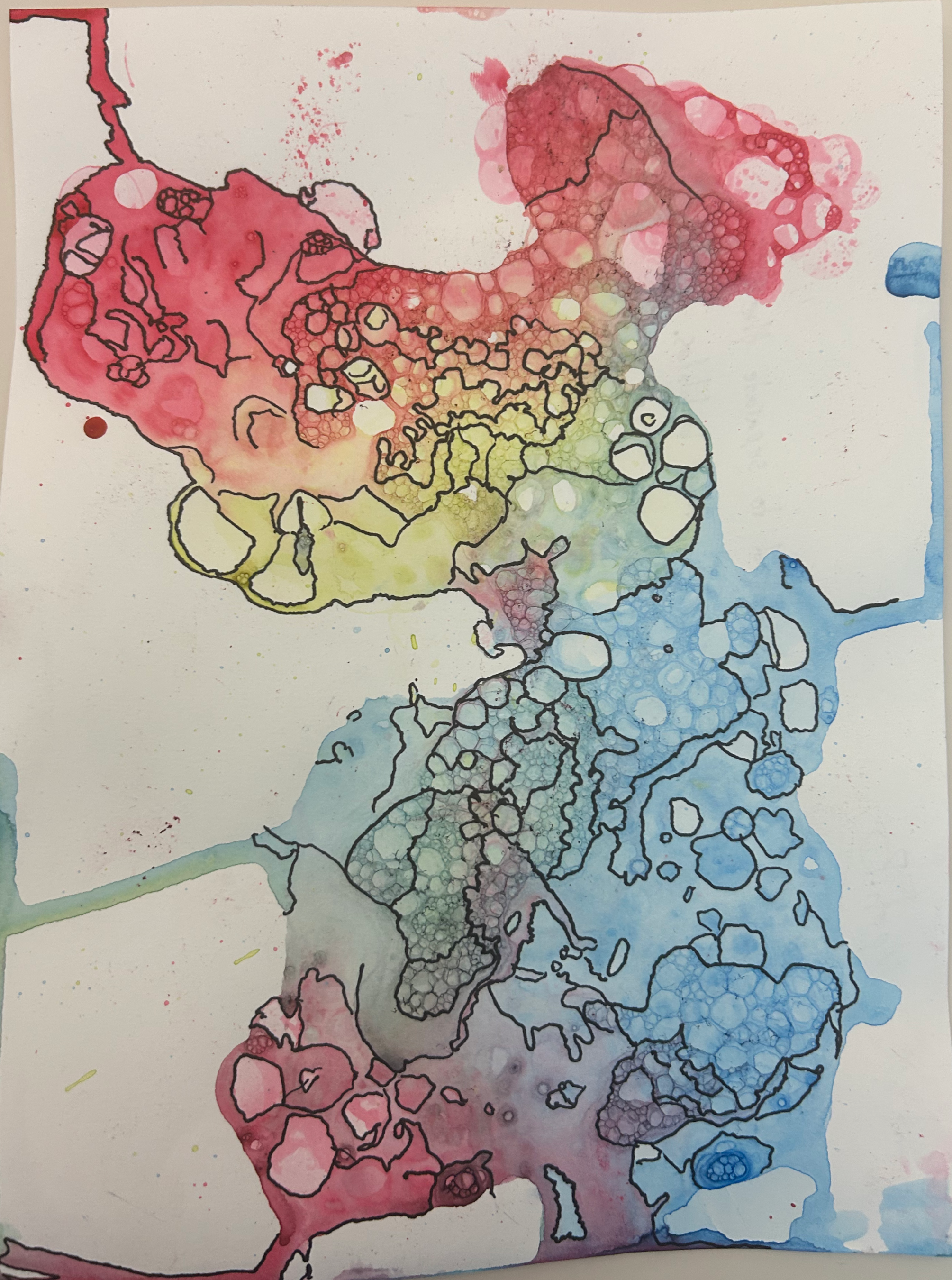
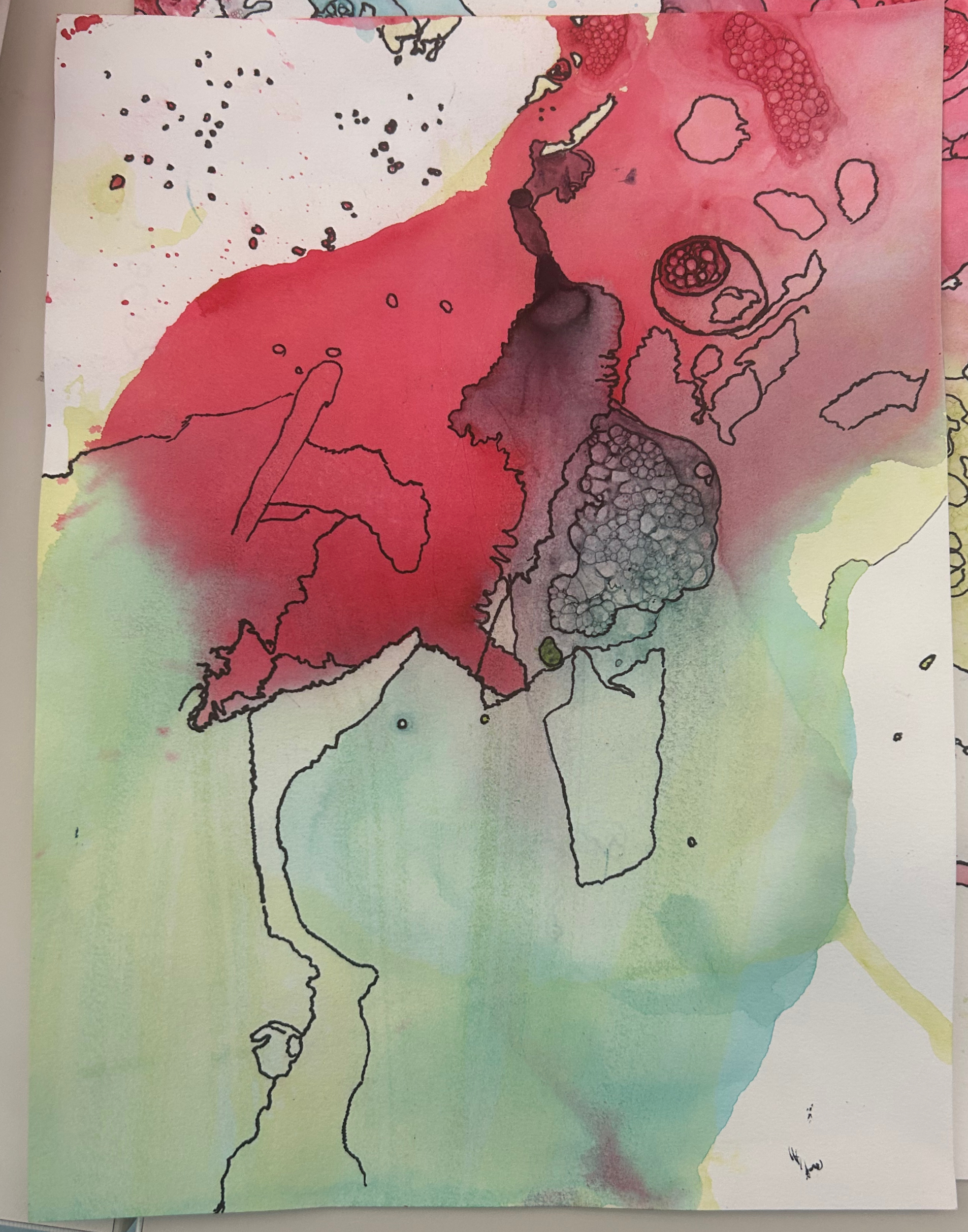
Students created abstract watercolor bubble studies and added therapeutic line tracing over the surface. The project focused on color, organic shape, movement, layering, and the calming process of repeated line work.


Project Objective
Students created an abstract artwork using watercolor, organic shapes, layering, and repeated line work.
Standards Connection
Students experimented with materials, created abstract compositions, responded to color and movement, and reflected on how visual elements affect mood and experience.
Lesson Plan Overview
Students experimented with watercolor bubbles, built abstract color fields, observed shape and movement, and used line tracing to create rhythm, texture, and visual flow.
Rubric and Assessment Focus
Watercolor technique, line control, visual movement, craftsmanship, completion, thoughtful use of color, and composition.
Literacy Connection
Students used vocabulary connected to abstraction, line, rhythm, movement, color, and texture to describe their process and final artwork.
Student Supports
Students used demonstrations, visual examples, guided practice, technique reminders, process based pacing, individual feedback, and support for focus and confidence.
Reflection or Critique
Students reflected on how color, organic shape, and repeated line work changed the mood and movement of the final artwork.
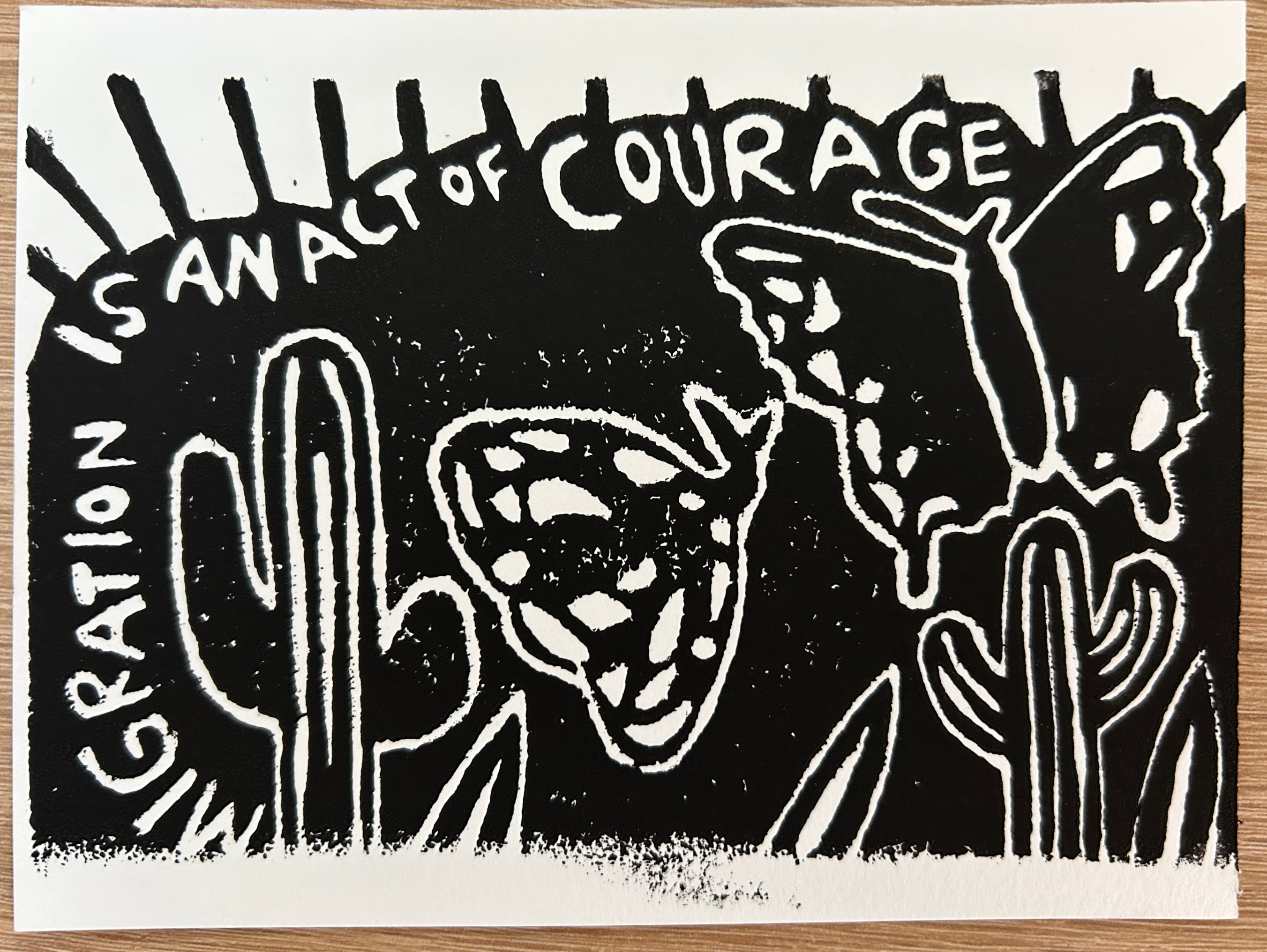
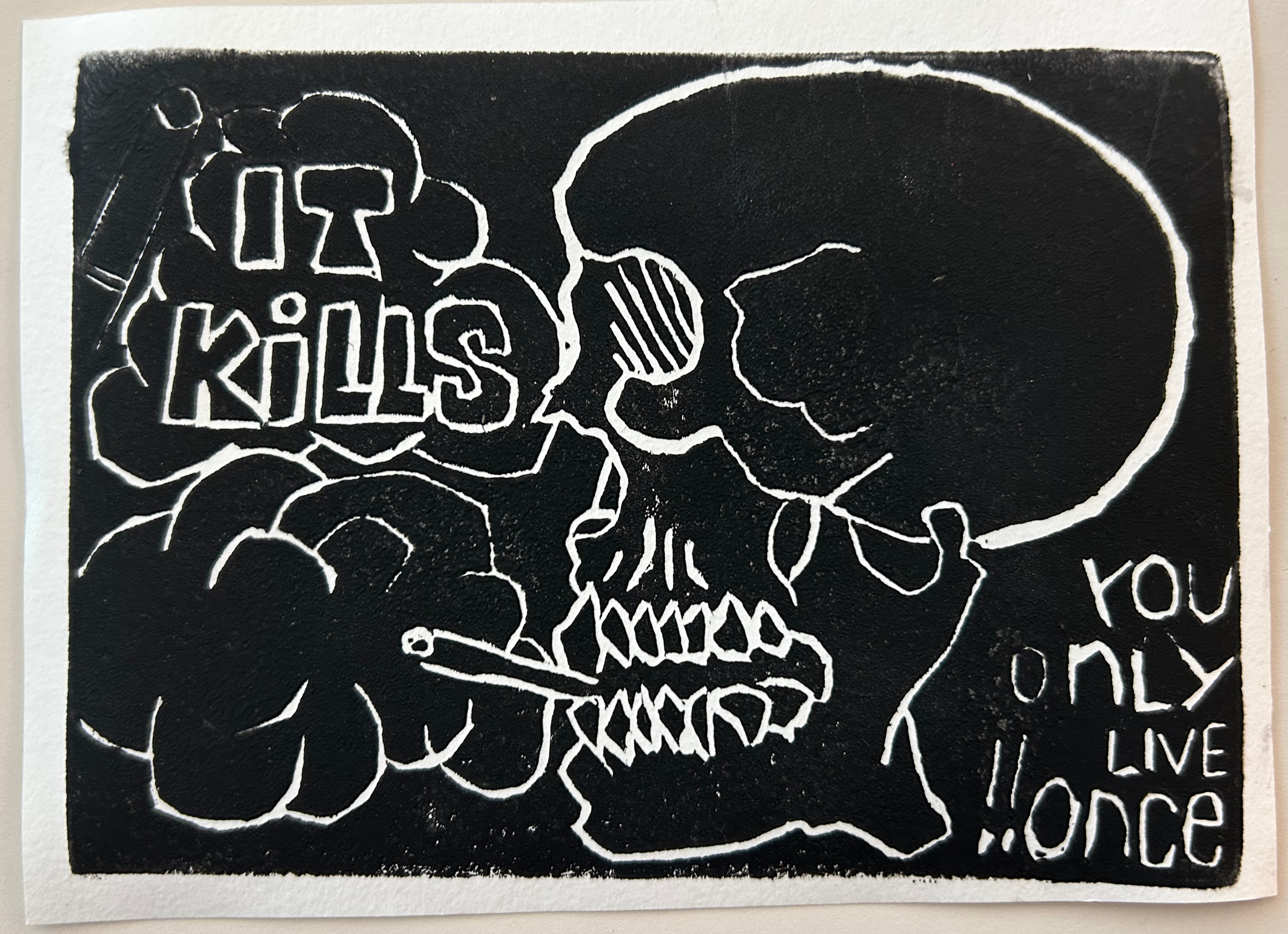
Linocut Printmaking
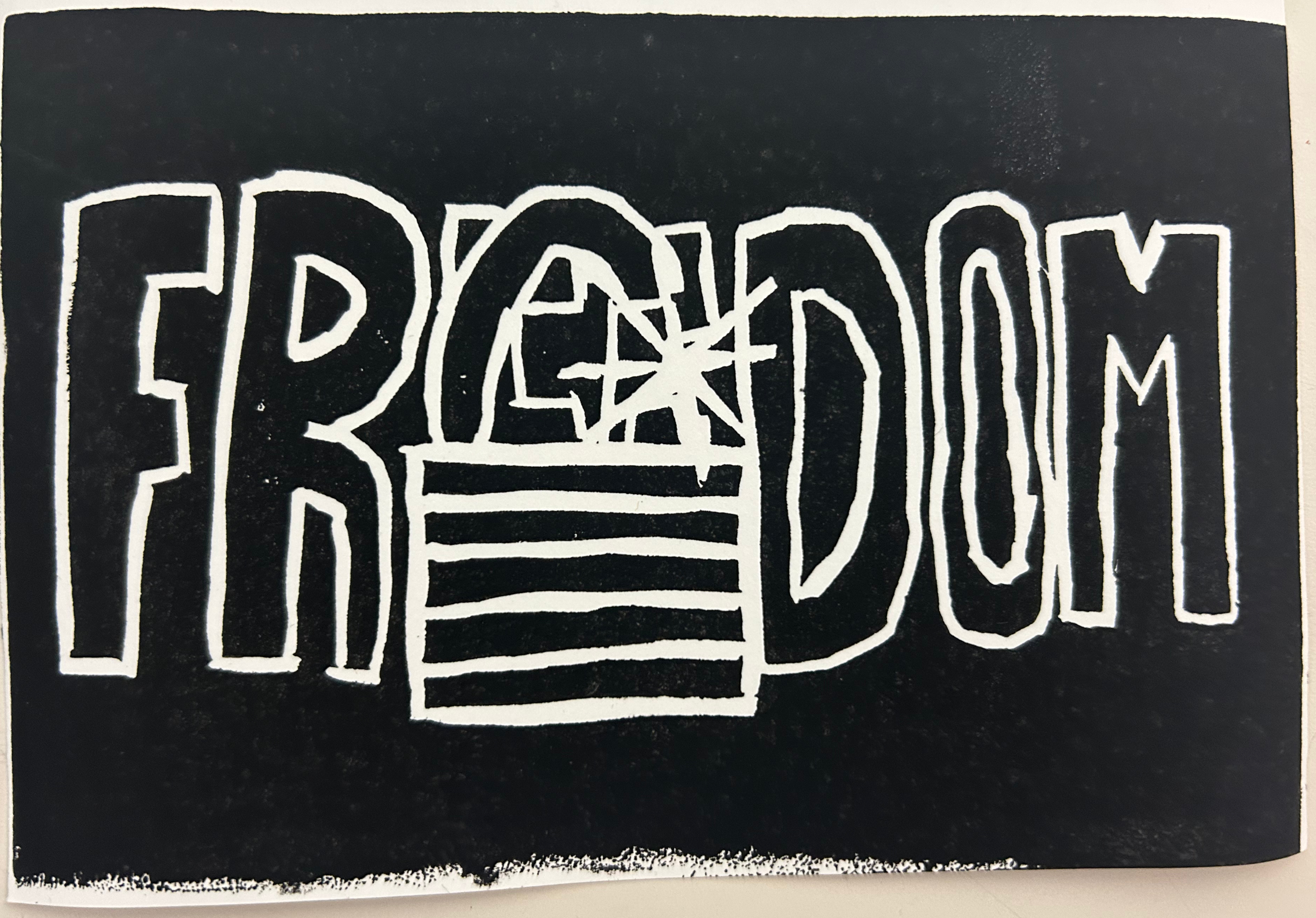
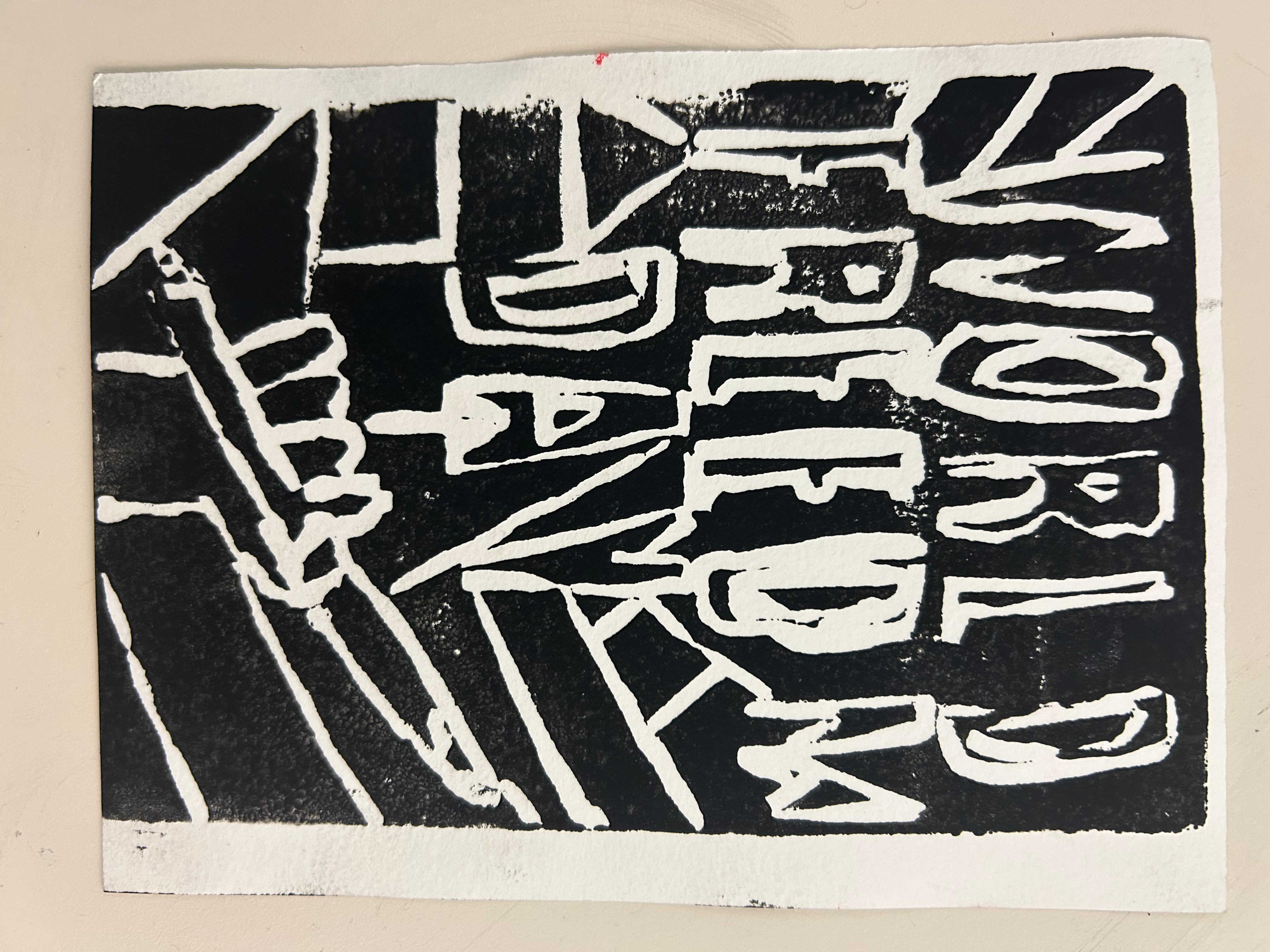
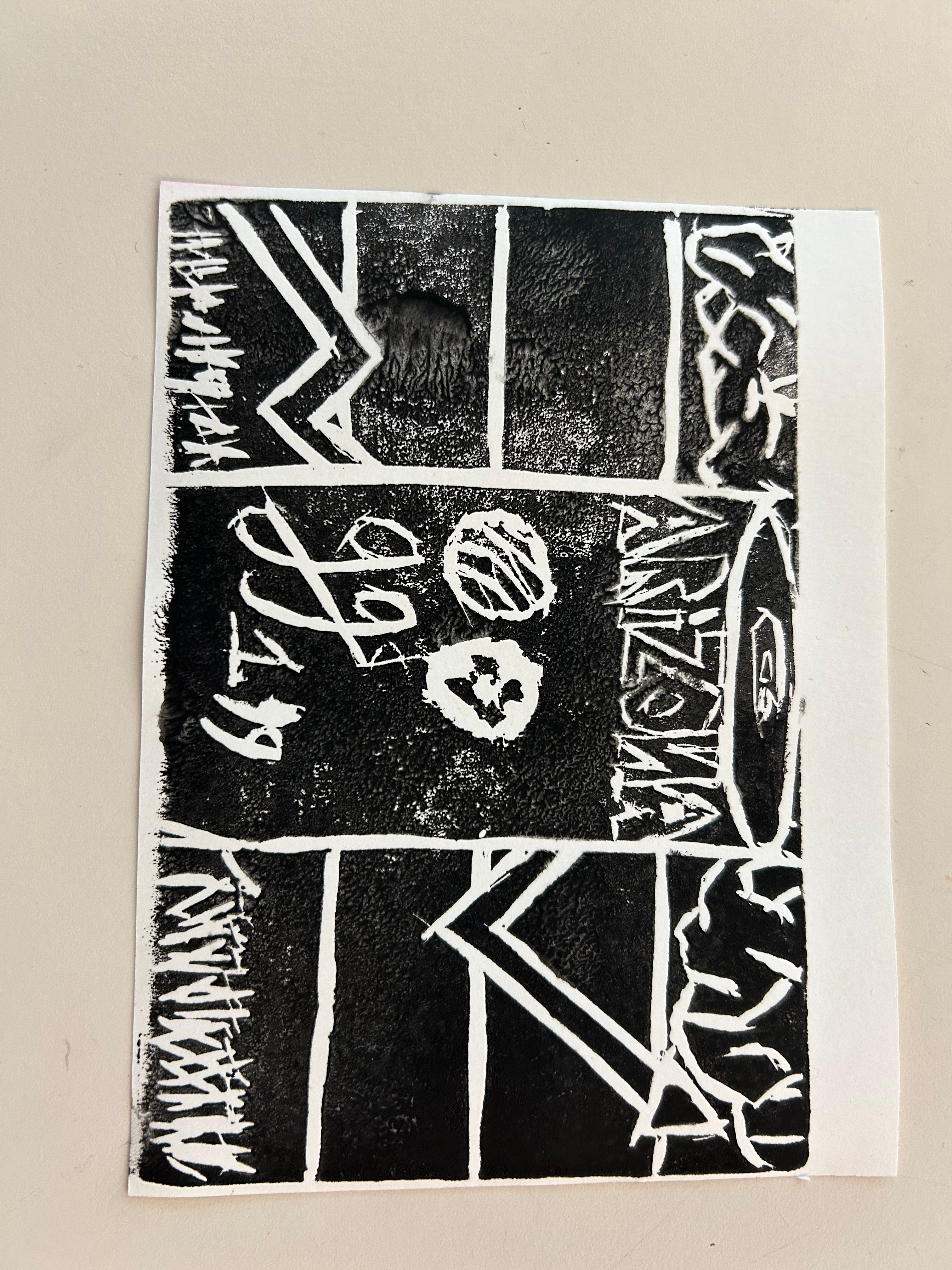
Students learned relief printmaking through soft rubber linocut techniques. The project emphasized safety, planning, carving control, positive and negative space, ink application, repetition, and craftsmanship.


Project Objective
Students created a relief print using safe carving practices, positive and negative space, and controlled printmaking techniques.
Standards Connection
Students planned an image, used tools and materials safely, created a carved block, presented printed artwork, and reflected on how process affected the final result.
Lesson Plan Overview
Students planned a design, transferred the image to a soft block, practiced safe carving, inked the surface, pulled prints, compared results, and reflected on print quality.
Rubric and Assessment Focus
Safe tool use, design clarity, carving control, positive and negative space, print quality, craftsmanship, and effort through process.
Literacy Connection
Students used printmaking vocabulary, safety language, process notes, and reflection prompts to describe how relief printing works.
Student Supports
Students used safety demonstrations, tool handling reminders, visual examples, process checks, step by step guidance, and individual help during carving and printing.
Reflection or Critique
Students reflected on how planning, carving decisions, ink application, pressure, and repetition affected the quality of the final print.
Instruction Behind the Artwork
Strong student artwork does not happen by accident. Each project was supported through planning, demonstration, vocabulary, examples, feedback, assessment, and reflection. The goal was to give students enough structure to understand the assignment while leaving room for personal choice, creative risk, and individual voice.